Cost of Yard Dry Well Installation
Yard dry well installation costs can vary depending on the scope of the project, materials selected, labor requirements, and site-specific conditions. Factors such as soil type, drainage needs, and accessibility may influence the overall expense. Understanding these variables can help in estimating the potential investment needed for a dry well system.
Since final pricing is influenced by multiple factors, it is recommended to obtain detailed quotes that consider the specific details of each project. Comparing options and understanding how different materials and site conditions impact costs can assist in making informed decisions regarding yard drainage solutions.
Estimated Price Range
$1,200 - $2,800 (smaller scope)
$3,500 - $6,500 (moderate scope)
| Project Type | Typical Range |
|---|---|
| Basic Yard Dry Well | $1,200 - $2,800 |
| Standard Yard Dry Well | $2,500 - $4,500 |
| Large or Complex Dry Well | $4,000 - $6,500 |
| Additional Drainage Components | $500 - $1,500 |
| Permitting and Site Prep | $1,000 - $3,000 |
Factors Influencing Cost
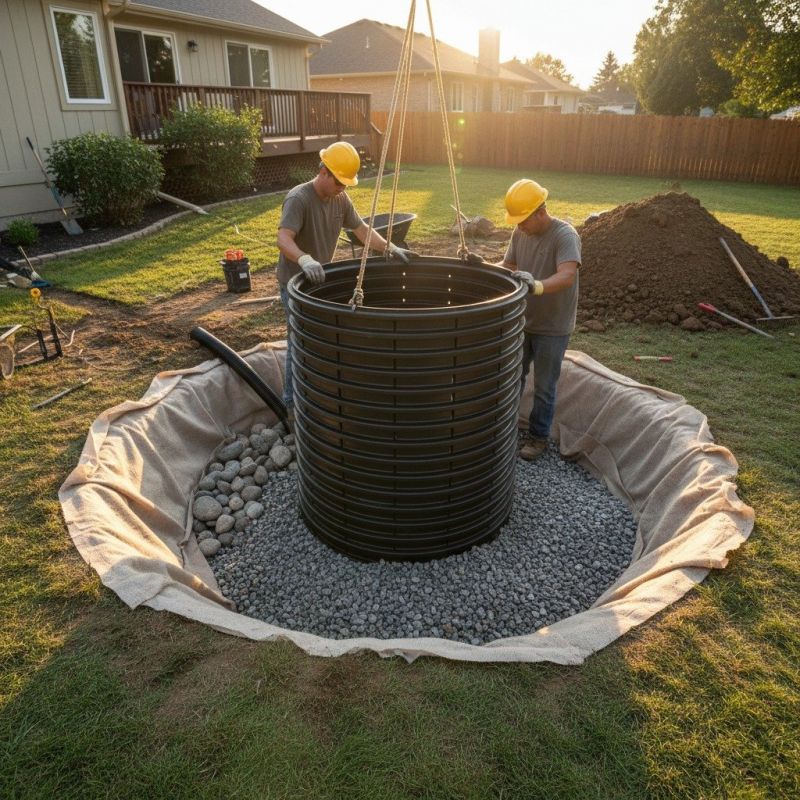
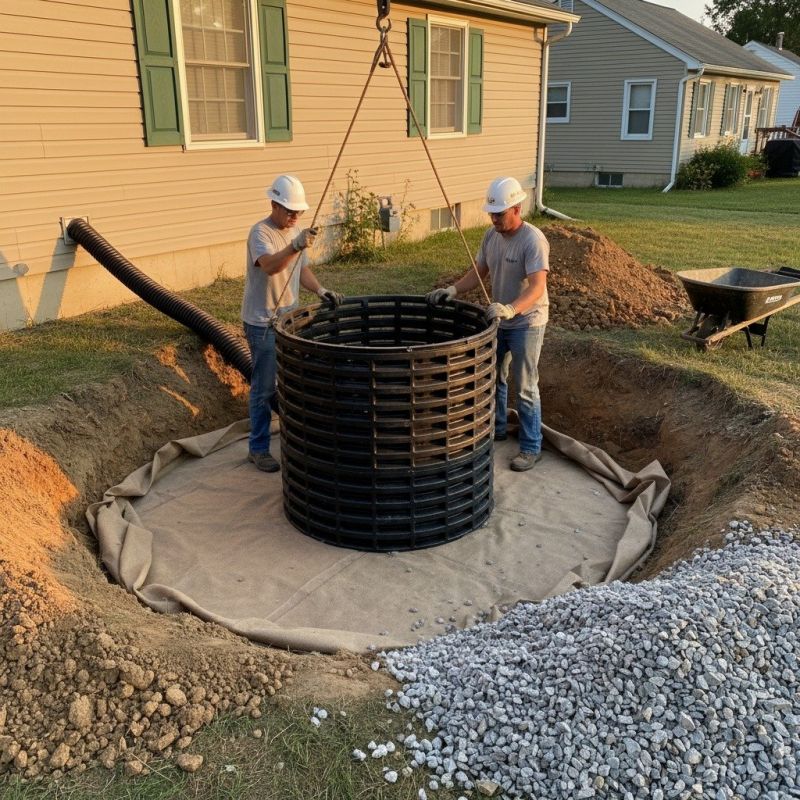
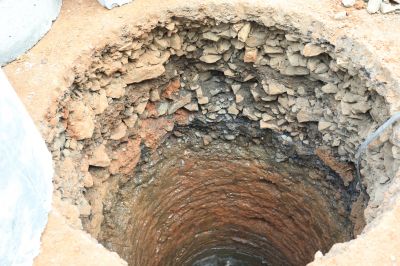
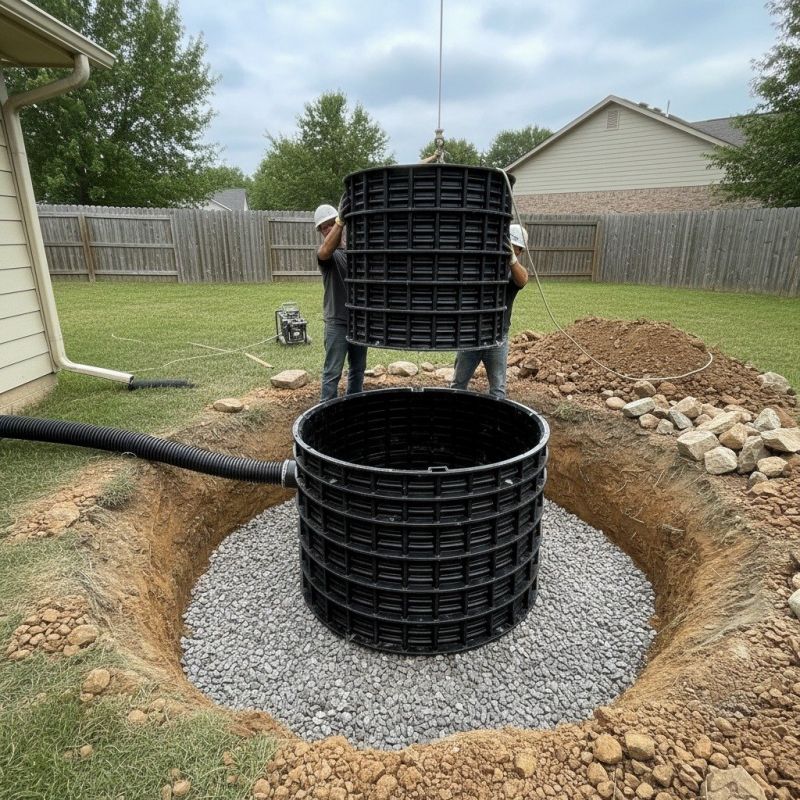
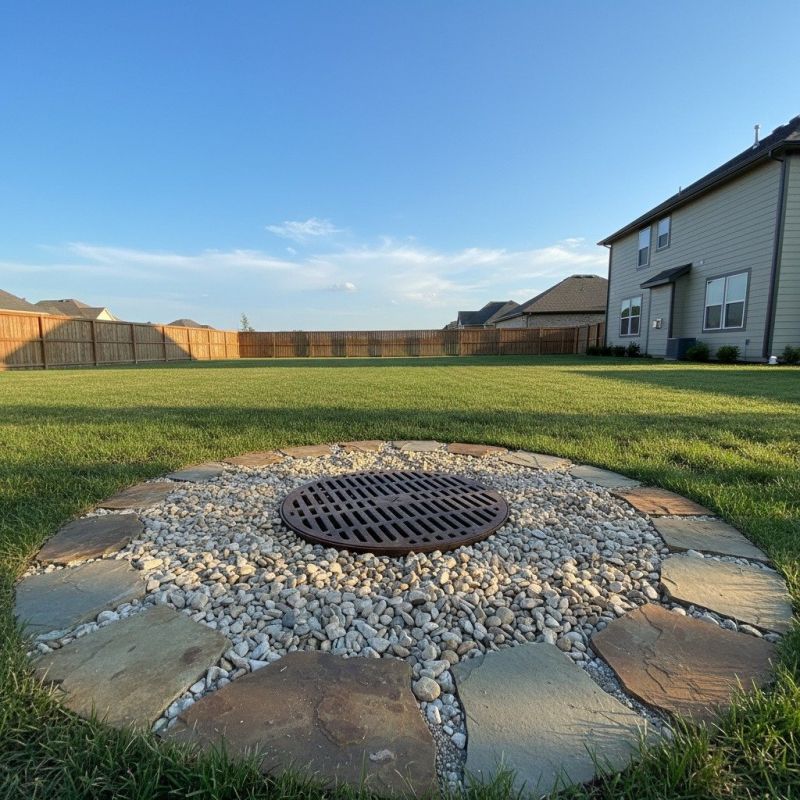
Installing a yard dry well is a practical solution for managing excess surface water and improving drainage in residential properties. The project involves selecting appropriate materials, assessing scope, and ensuring proper installation to function effectively. Understanding typical considerations can help in planning and budgeting for a dry well installation.
- Materials: Common materials include perforated plastic or concrete pipes, gravel, and a durable basin or chamber designed for underground use.
- Size and Scope: The size of a dry well depends on the volume of water to be managed, typically ranging from small residential units to larger systems for extensive drainage needs.
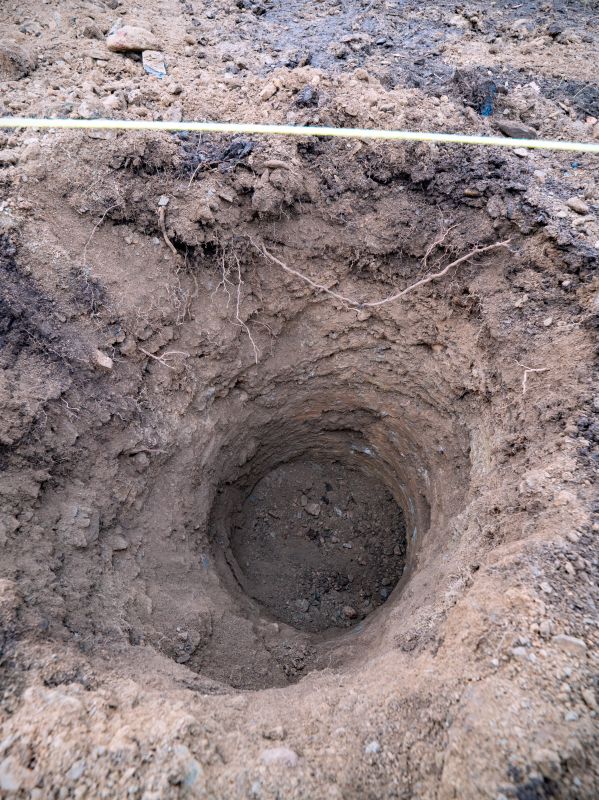
- Labor Complexity: Installation involves excavation, proper placement of the dry well components, and backfilling, which can vary in complexity based on site conditions.
- Permitting: Depending on local regulations, permits may be required for underground drainage systems to ensure compliance with property and drainage standards.
- Additional Features: Options such as inlet filters, overflow outlets, or connecting piping can be added to enhance functionality and maintenance access.
Project Size and Scope
| Scope/Size | Typical Range |
|---|---|
| Small (up to 10 ft diameter) | 10-20 ft in depth |
| Medium (10-20 ft diameter) | 20-40 ft in depth |
| Large (over 20 ft diameter) | 40-60 ft in depth |
| Additional considerations | Soil type, access, and site conditions may affect scope and costs |
These ranges are approximate and can vary based on specific project requirements and site conditions.