Get Dry Well Replacement
Dry Well Replacement services help property owners solve drainage issues and replace damaged or failing dry wells in various outdoor drainage projects.
Dry well replacement is an important consideration for property owners experiencing drainage issues or planning improvements to their outdoor spaces. Properly functioning dry wells help manage excess water, prevent flooding, and protect landscape integrity. If you are exploring options for maintaining or upgrading your drainage system, you're in the right place to find local contractors who specialize in dry well services and can assist with your project needs.
Comparing local service providers ensures you find experienced professionals capable of handling dry well replacement efficiently and effectively. Whether addressing existing concerns or preparing for future property improvements, understanding available options can support informed planning. Continue exploring to connect with trusted local contractors who can provide the expertise needed for your dry well replacement project.
- Dry Well Replacement - needed when a dry well has become clogged or stops functioning properly.
- Well Drainage Issues - experienced when excess water causes flooding or drainage problems around a property.
- Water Table Changes - require dry well replacement if rising groundwater affects existing drainage systems.
- Structural Damage - occurs when a dry well deteriorates, leading to potential damage to surrounding structures.
- Persistent Water Accumulation - happens when existing dry wells fail to manage runoff effectively during heavy rains.
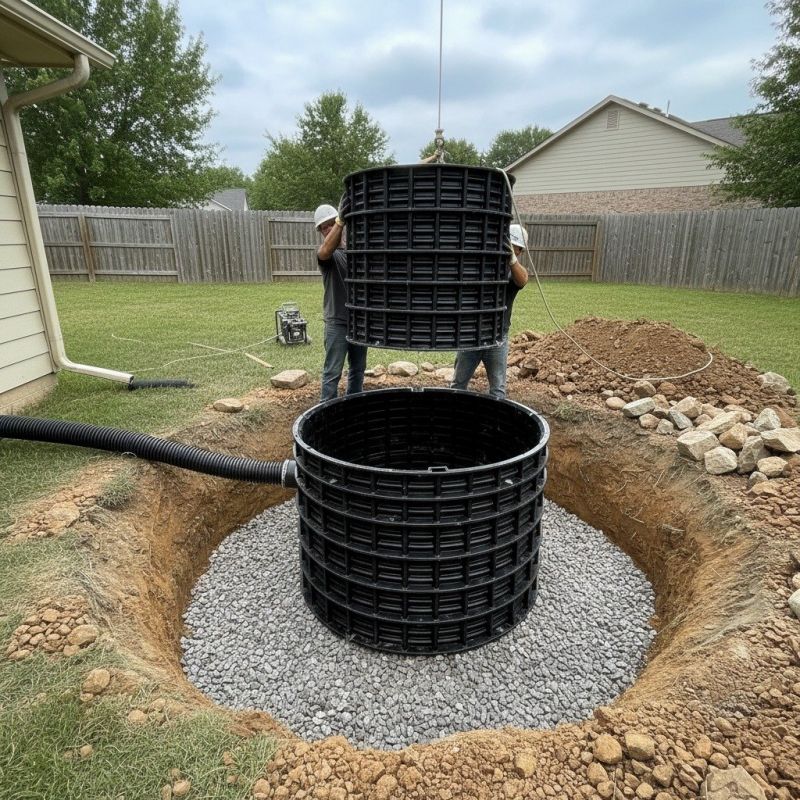
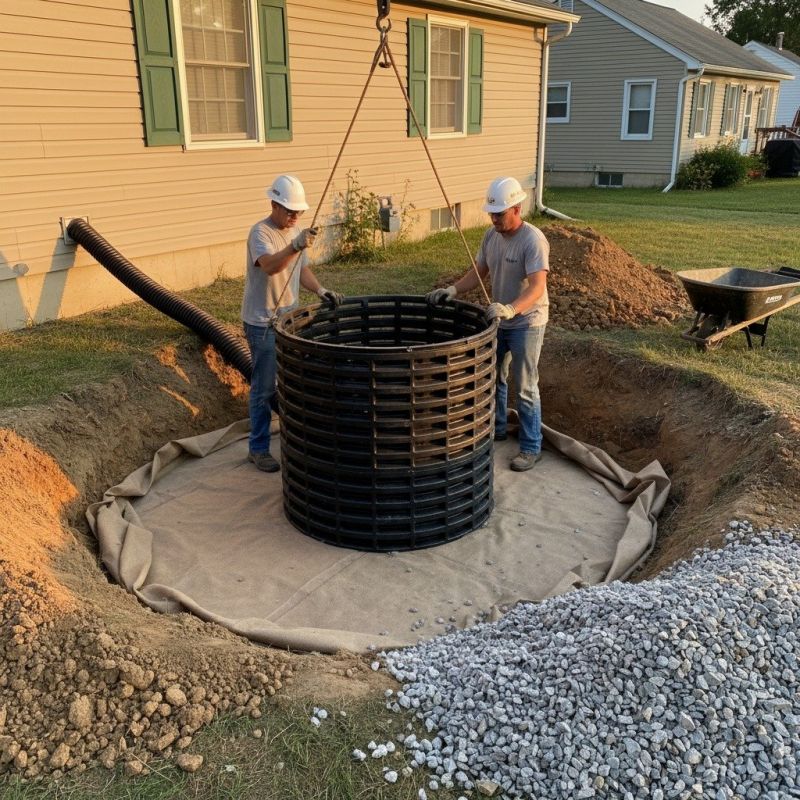
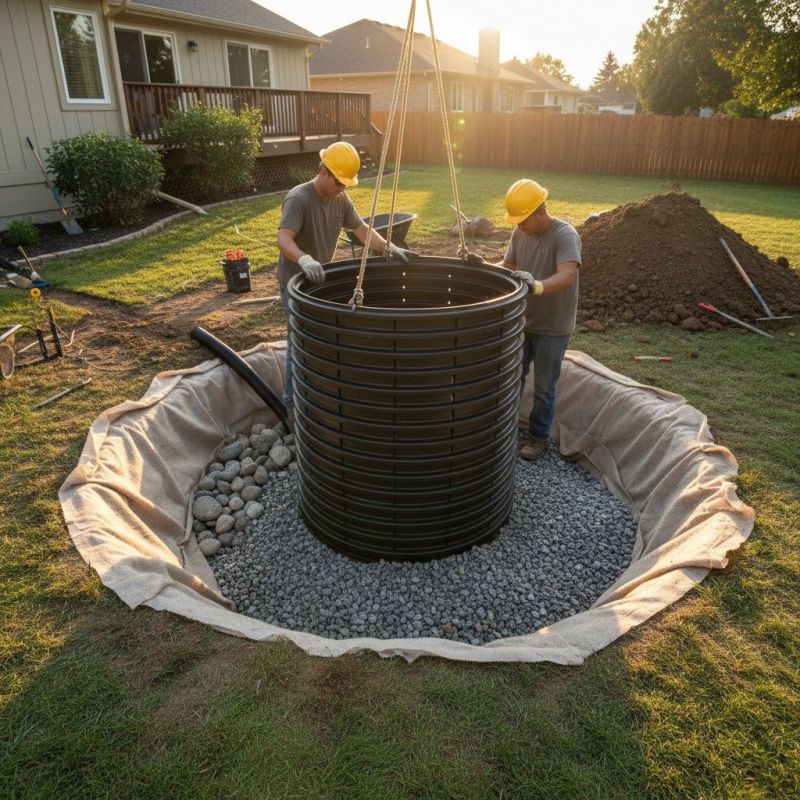
Dry well replacement services involve removing an existing dry well system and installing a new one to ensure proper drainage for your property. A dry well is an underground structure designed to collect and disperse excess water from sources like roof gutters, sump pumps, or outdoor drains. Over time, these systems can become clogged, cracked, or otherwise compromised, leading to drainage issues that can cause water pooling, basement flooding, or landscape damage. Local contractors who specialize in dry well replacement can assess the condition of existing systems and perform the necessary work to restore effective water management on your property.
This service helps solve common problems related to poor drainage and water accumulation. When a dry well becomes clogged or fails, it can result in water backing up into gutters or pooling around the foundation, increasing the risk of structural damage or basement leaks. Additionally, standing water can attract pests and create muddy or waterlogged yard areas. Replacing an outdated or damaged dry well with a new, properly functioning system can prevent these issues, promoting better water flow away from the home and reducing the risk of water-related property damage.
Dry well replacement is often needed for residential properties that rely on underground drainage systems to manage runoff from roofs, driveways, or landscaped areas. Homes with aging drainage infrastructure, those experiencing frequent water pooling, or properties affected by heavy rainfall are common candidates for this service. It’s also a solution for properties where previous dry wells have become damaged or are no longer functioning efficiently. Whether for a single-family home or a multi-unit residence, local service providers can help determine if a dry well replacement is appropriate based on the property's drainage needs.
Homeowners who notice persistent wet spots, soggy yards, or basement dampness may find dry well replacement to be an effective solution. This service is suitable for properties where drainage issues are impacting the landscape or causing water intrusion problems. By working with experienced local contractors, property owners can ensure that the new dry well is correctly installed to handle their specific water management requirements. Proper installation and replacement of a dry well can improve drainage performance, protect the foundation, and help maintain a dry, stable yard environment.
The overview below groups typical Dry Well Replacement projects into broad ranges so you can see how smaller, mid-sized, and larger jobs often compare in your area.
In many markets, a large share of routine jobs stays in the lower and middle ranges, while only a smaller percentage of projects moves into the highest bands when the work is more complex or site conditions are harder than average.
Smaller Repairs - for minor dry well replacements, local contractors typically charge between $250 and $600. Many routine jobs fall within this range, covering basic repairs or partial replacements. Larger or more complex projects can exceed this, but they are less common.
Standard Replacement - a typical dry well replacement for an average property often costs between $1,000 and $3,000. Most projects in this category are straightforward and fall within this middle range, with fewer reaching the higher end.
Full System Overhaul - replacing an entire dry well system or multiple units can range from $3,500 to $7,000. These larger, more involved jobs are less frequent but necessary for extensive replacements or upgrades.
Complex or Custom Projects - very large or customized dry well replacements, such as those requiring extensive excavation or unique design features, can cost $7,000 and up. Such projects are less common and tend to be at the higher end of the cost spectrum.
Actual totals will depend on details like access to the work area, the scope of the project, and the materials selected, so use these as general starting points rather than exact figures.
Septic System Installation - Installing septic systems involves planning, excavation, and underground piping skills similar to those used in dry well replacement projects.
Drain Field Repair - Repairing or replacing drain fields requires knowledge of soil absorption and underground drainage systems, comparable to dry well replacement procedures.
Foundation Drainage Services - Installing or upgrading foundation drainage involves excavation and underground piping, sharing common techniques with dry well installation.
Stormwater Management System Installation - Setting up stormwater systems involves planning, trenching, and underground piping work akin to dry well replacement tasks.
Sump Pump Installation - Installing sump pumps requires excavation and underground piping skills, similar to those needed for dry well replacement projects.
Water Drainage System Upgrades - Enhancing or replacing water drainage systems involves underground planning and excavation work comparable to dry well service projects.
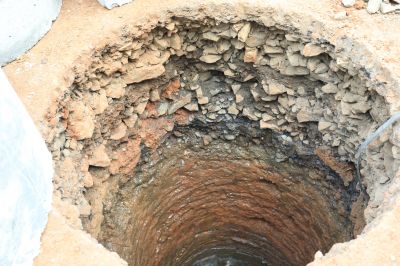
When comparing service providers for dry well replacement, it’s important to evaluate their experience with similar projects. Homeowners should look for local contractors who have a proven track record of handling dry well replacements or related drainage solutions. Asking about past work or requesting examples of completed projects can help gauge their familiarity with the specific requirements of this type of work. Contractors with relevant experience are more likely to understand the nuances involved and deliver a reliable solution tailored to the property’s needs.
Clear, written expectations are essential when choosing a service provider. Homeowners should seek detailed information about the scope of work, materials to be used, and the steps involved in the dry well replacement process. Having this information in writing helps prevent misunderstandings and ensures that both parties are aligned on what will be done. Reputable local contractors will typically provide transparent descriptions of their services, making it easier for homeowners to compare options and select a provider that clearly communicates their approach.
Reputation and communication are key factors in selecting the right service provider. Homeowners should look for local pros who can provide reputable references or reviews from previous clients, demonstrating their reliability and quality of work. Good communication throughout the process-such as prompt responses to questions and clear explanations-can make the experience smoother and more predictable. By focusing on these qualities, homeowners can find local contractors who are dependable, transparent, and capable of completing dry well replacement projects effectively.
Property owners use Dry Well Replacement services for practical projects around their homes and businesses. This guide focuses on everyday jobs and straightforward project options.
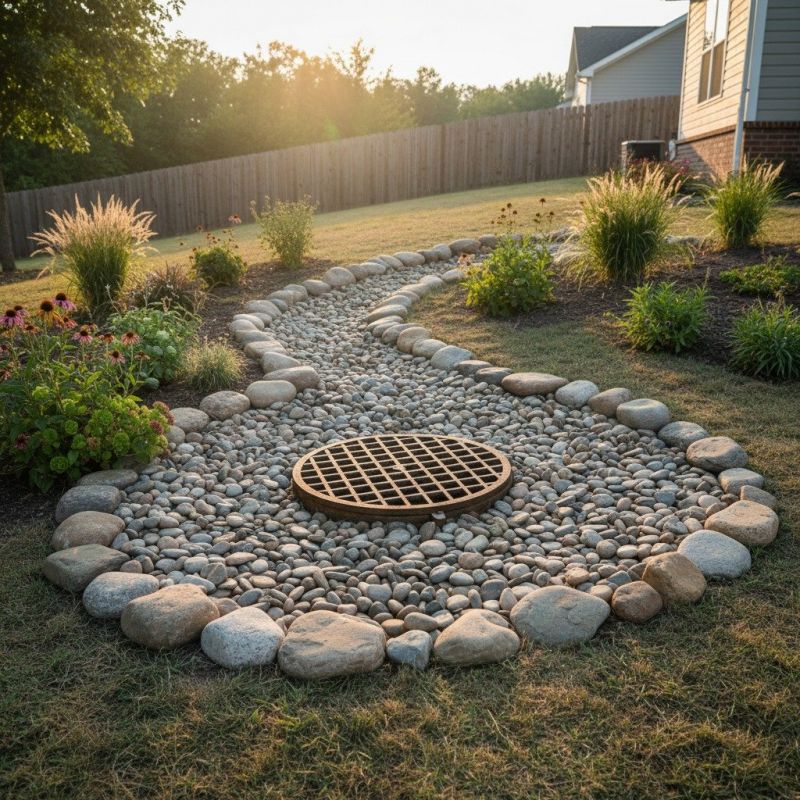
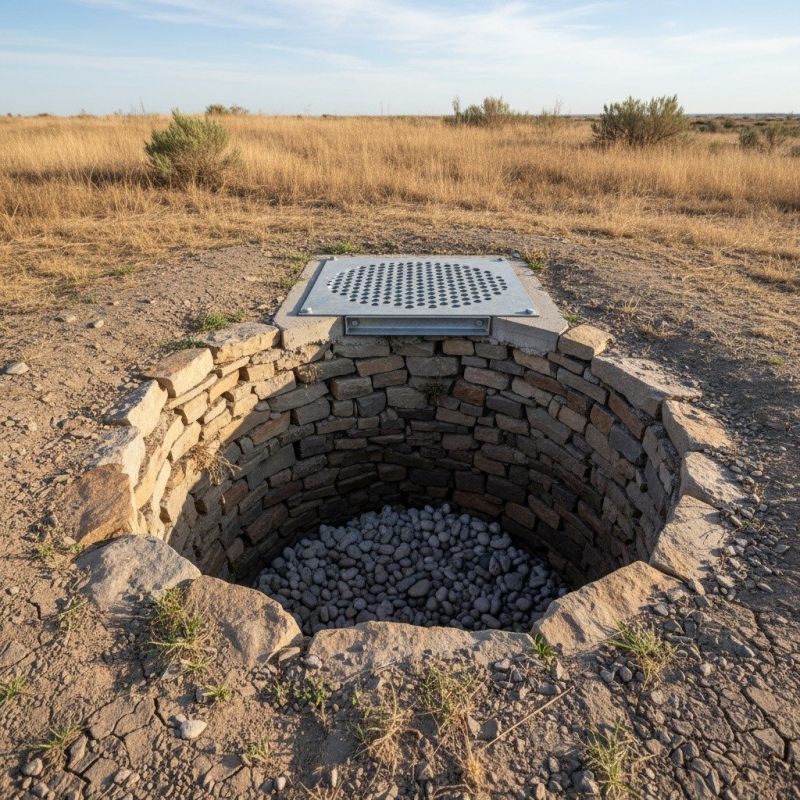
Dry well replacement services are often needed when property owners notice a decrease in water pressure or experience frequent backups in their drainage systems. These issues can arise from aging or damaged dry wells that no longer effectively drain excess water, especially after heavy rains or during seasonal changes. Local contractors who specialize in drainage solutions can assess the situation and determine if a dry well replacement is necessary to restore proper water management on the property.
Property owners might also seek dry well replacement when experiencing standing water or pooling around their foundation, which can lead to potential structural concerns. In some cases, existing dry wells may become clogged or deteriorate over time, reducing their effectiveness. Local service providers can handle these projects efficiently, helping to improve drainage and prevent water-related issues that could impact the property's safety and stability.
What is a dry well replacement? Dry well replacement involves removing an old or malfunctioning dry well and installing a new one to help manage excess water runoff effectively.
Why might a dry well need replacement? A dry well may need replacement if it becomes clogged, damaged, or no longer functions properly to drain water as intended.
How do local contractors handle dry well replacement? Local contractors assess the existing system, remove the old dry well, and install a new unit designed to meet the property's drainage needs.
What signs indicate a dry well may require replacement? Signs include persistent pooling of water, foul odors, or water backing up into the yard or foundation area.
Are there different types of dry wells available? Yes, there are various types such as gravel-filled systems, plastic chambers, and other designs suited to different drainage requirements.
Identify signs of a failing well - property owners can recognize issues like low water pressure or frequent pump failures that may indicate a dry well problem requiring replacement.
Plan for well replacement during property upgrades - homeowners undertaking renovations or landscaping projects might consider replacing an old or damaged well to ensure continued water access.
Ensure reliable water supply for irrigation or livestock - agricultural property owners can explore dry well replacement options to maintain consistent water availability for their needs.
Assess options for well system improvements - property managers may look into dry well replacement services when upgrading existing water systems to improve efficiency and reliability.
If you are thinking about Dry Well Replacement for a property, this guide is meant to help you understand the work, the typical project types, and how different options might fit your plans.
When you are ready, you can use the quote form on this page to share a few details about your project. From there, local pros can review the basics and respond with options that match what you have in mind.