Get Dry Well Installation
Dry well installation services help property owners prevent water buildup and manage excess runoff by connecting drainage systems to underground wells handled by local contractors.
Dry well installation is an important consideration for property owners looking to manage excess water effectively. Whether addressing drainage challenges around a home or preparing for landscape projects, having reliable, professionally installed dry wells can help prevent water accumulation and protect property foundations. Exploring local contractors who specialize in this service ensures access to experienced professionals capable of assessing site-specific needs and recommending practical solutions tailored to the area.
For those planning improvements or facing drainage concerns, comparing options among local service providers can lead to informed choices. Many property owners turn to experienced contractors in their community to handle dry well installation, ensuring the work is performed with local knowledge of soil conditions and regional requirements. Continuing to explore available options can help identify the right partners to support successful project outcomes.
- Dry Well Installation - needed when a property lacks a proper drainage system for stormwater or excess groundwater.
- Drainage System Improvements - required if existing dry wells are failing to effectively manage water runoff.
- New Construction Drainage - necessary during the development of new properties to ensure proper water discharge.
- Water Management for Landscaping - essential when installing or upgrading landscaping that requires effective water absorption solutions.
- Property Drainage Troubleshooting - needed when persistent pooling or flooding issues indicate drainage system problems.
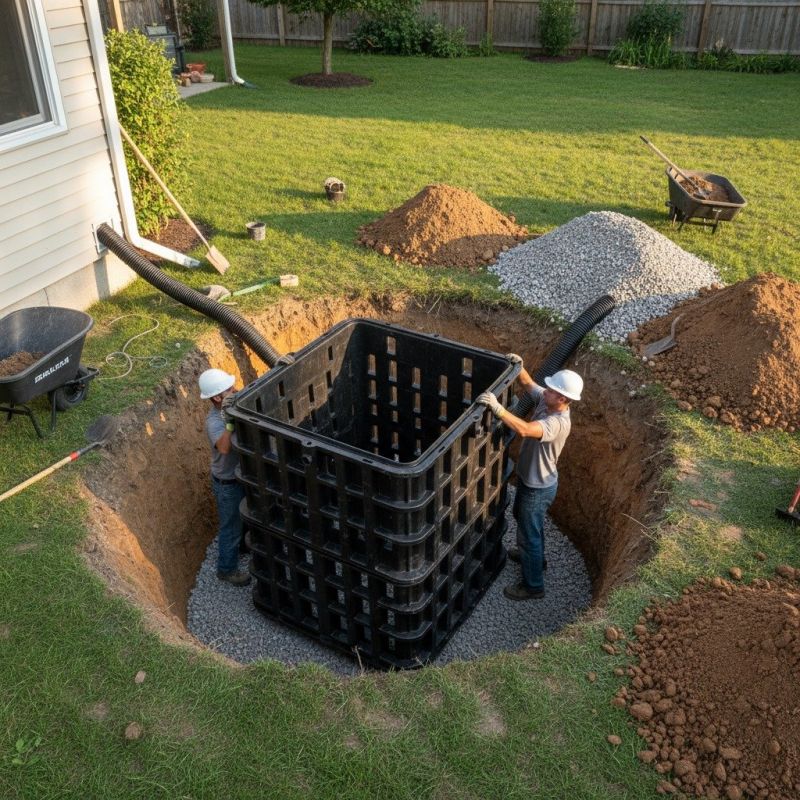
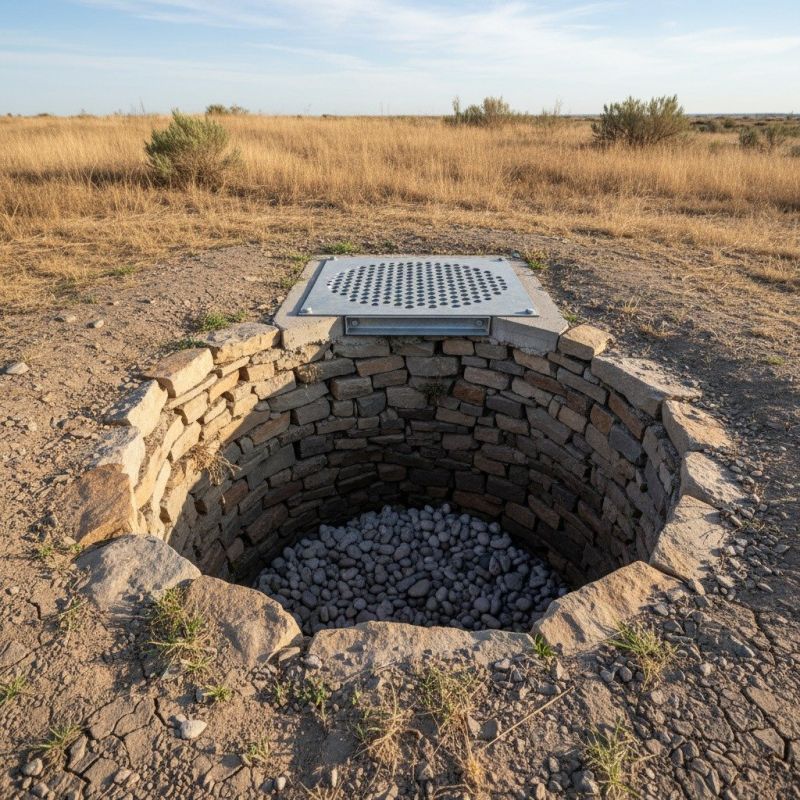
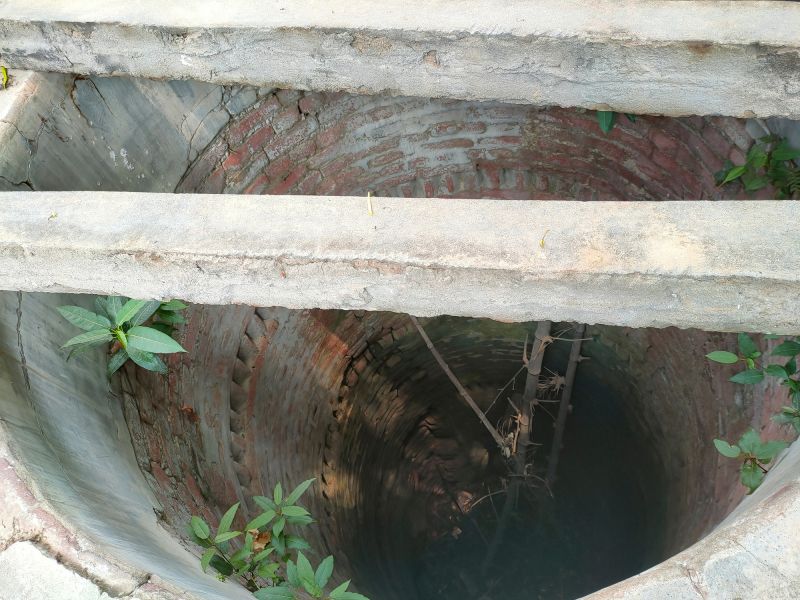
Dry well installation services involve setting up a specialized underground system designed to manage excess water on a property. This process typically includes digging a trench, installing a perforated pipe or basin, and covering it with gravel or other media to facilitate proper drainage. The goal is to redirect unwanted water away from foundations, basements, or other areas prone to water accumulation, helping to prevent water damage and maintain a dry, stable environment around the home.
This service is particularly useful for addressing issues caused by poor drainage or high water tables. Properties that experience frequent pooling of water, especially after heavy rains or during seasonal changes, often benefit from a dry well system. It can also be an effective solution for managing runoff from gutters, sump pump discharges, or other sources that contribute to excess water around the property. Installing a dry well can help reduce the risk of basement flooding, foundation cracks, and landscape erosion caused by standing water.
Dry well installation is commonly sought for residential properties, especially those with yards that tend to retain water or have inadequate drainage. Homeowners with sloped landscapes, gardens, or areas near driveways that flood frequently may find this service beneficial. In addition, properties with septic systems or those located in regions with high rainfall often rely on dry wells as part of their overall drainage strategy. The installation process is designed to be discreet and effective, improving the property's water management without disrupting daily activities.
When considering dry well installation, it’s important to work with experienced local contractors who understand the specific drainage needs of different properties. These service providers can evaluate the site’s conditions, recommend appropriate systems, and ensure proper installation to maximize performance. Whether for new construction or improving an existing drainage setup, connecting with knowledgeable local pros can help ensure the system is tailored to the property’s unique requirements, providing a practical solution to persistent drainage problems.
The overview below groups typical Dry Well Installation projects into broad ranges so you can see how smaller, mid-sized, and larger jobs often compare in your area.
In many markets, a large share of routine jobs stays in the lower and middle ranges, while only a smaller percentage of projects moves into the highest bands when the work is more complex or site conditions are harder than average.
Smaller Repairs - minor dry well repairs or maintenance typically cost between $250 and $600. Many routine jobs fall within this range, covering simple fixes or small-scale installations. Larger or more complex repairs can exceed this range but are less common.
Standard Installation - installing a new dry well for a typical property often costs between $1,000 and $3,000. This range applies to most standard projects and is the most common price band for local contractors.
Full Replacement - replacing an existing dry well or upgrading to a larger system can range from $3,500 to $6,000. Projects in this tier are less frequent but necessary for properties with extensive drainage needs or older systems.
Complex or Large-Scale Projects - larger, more intricate dry well installations, such as for commercial properties or extensive landscaping, can reach $7,000 or more. These projects are less typical and usually involve additional site work or specialized equipment.
Actual totals will depend on details like access to the work area, the scope of the project, and the materials selected, so use these as general starting points rather than exact figures.
French Drain Installation - This project involves grading and drainage planning similar to dry well installation, requiring knowledge of soil and water flow management.
Stormwater Management Systems - Installing systems to control runoff shares skills in site assessment, trenching, and underground piping used in dry well setup.
Foundation Drainage Solutions - Ensuring proper drainage around foundations involves excavation and drainage planning comparable to dry well installation processes.
Sump Pump System Installation - Installing sump pumps often requires excavating and connecting underground drainage, similar to the work involved in dry well projects.
Landscape Drainage Planning - Designing effective drainage solutions for landscapes involves similar planning and underground piping skills as dry well installation.
Erosion Control Projects - Implementing erosion control measures often includes trenching and drainage solutions akin to those used in dry well setup.
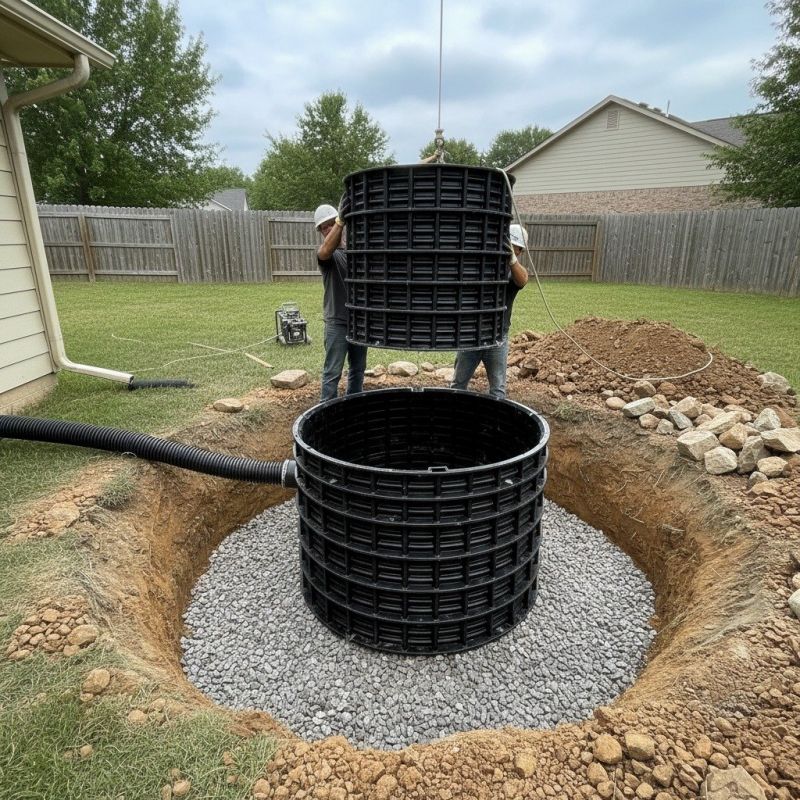
When evaluating service providers for dry well installation, it’s important to consider their experience with similar projects. Homeowners should look for local contractors who have a proven track record of handling installations comparable to their specific needs. An experienced professional will understand the nuances of soil conditions, property layouts, and drainage requirements, which can contribute to a more successful outcome. Gathering information about the types of projects a contractor has completed can help determine their familiarity with dry well systems and their ability to deliver reliable results.
Clear, written expectations are essential when choosing a local contractor. Homeowners should seek providers who can offer detailed descriptions of the services they provide, including the scope of work, materials used, and any guarantees or warranties. Having this information in writing helps prevent misunderstandings and ensures that everyone is aligned on what the project entails. Clear communication about the process and deliverables also allows homeowners to make informed decisions and compare different service providers more effectively.
Reputable references and good communication are key indicators of a dependable local contractor. Homeowners are encouraged to ask for references from previous clients who had similar work done and to follow up with those references to learn about their experiences. Additionally, service providers who are responsive, transparent, and willing to answer questions demonstrate professionalism and a commitment to customer satisfaction. While the site introduces homeowners to local options, it’s up to the homeowner to connect with trusted professionals who can handle the dry well installation efficiently and reliably.
Property owners use Dry Well Installation services for practical projects around their homes and businesses. This guide focuses on everyday jobs and straightforward project options.
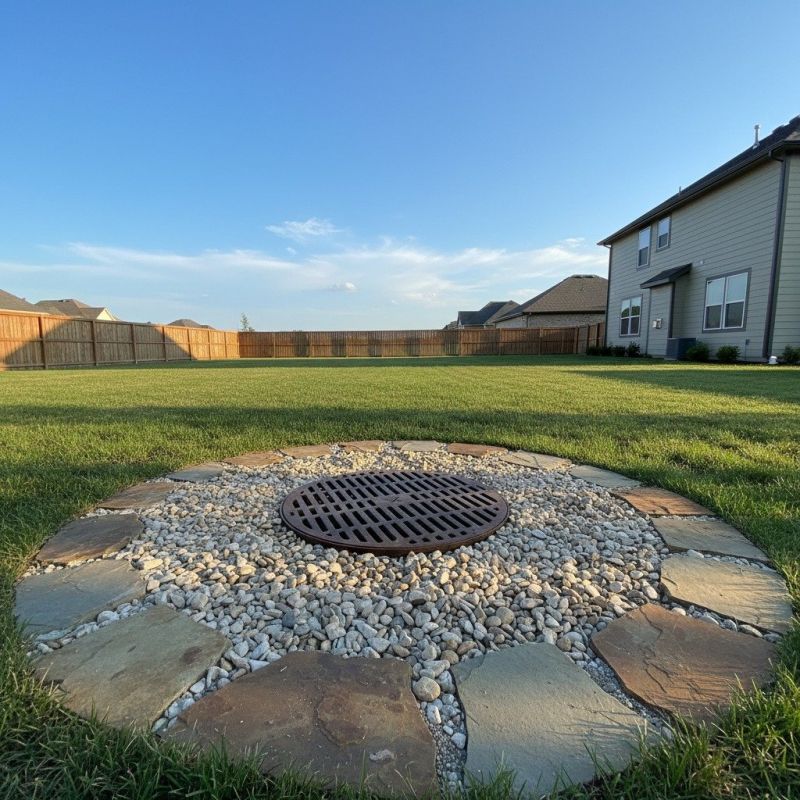
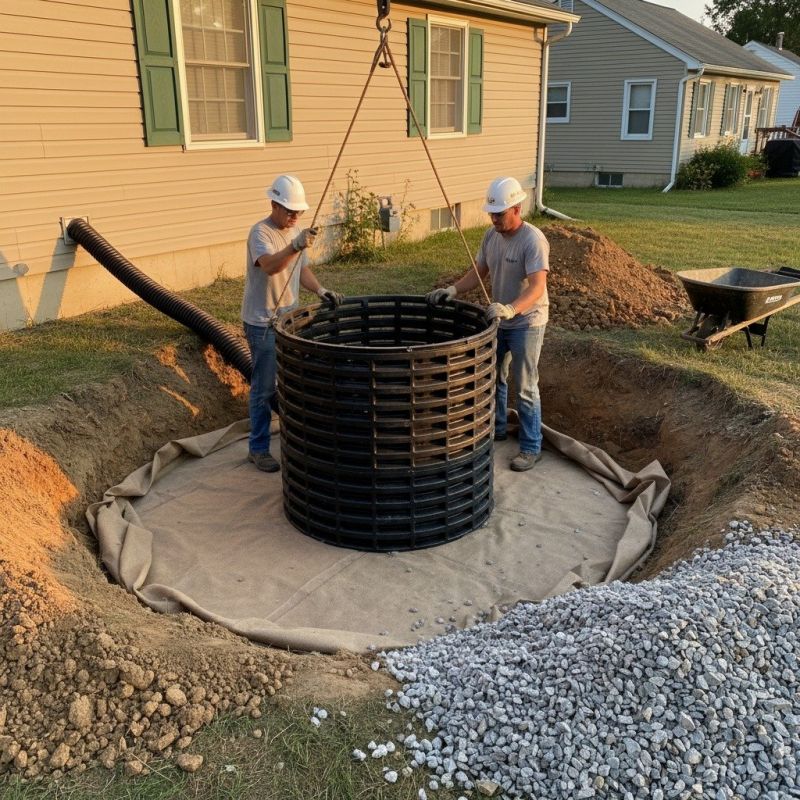
Dry well installation is often needed when property owners experience persistent issues with water drainage or have areas where excess groundwater causes problems. Local contractors can help install dry wells to manage stormwater runoff, prevent flooding, or improve drainage around homes and commercial properties. These projects are common in areas with heavy rainfall or where the soil does not naturally absorb water quickly, making proper drainage solutions essential for maintaining the integrity of the property.
Homeowners and property managers might seek dry well services when planning landscaping projects, installing new irrigation systems, or addressing ongoing water pooling concerns. Local service providers can evaluate the site, recommend appropriate solutions, and handle the installation to ensure effective water management. Connecting with experienced contractors helps property owners find the right approach to keep their land dry and protected from water-related issues.
What is a dry well and how does it work? A dry well is an underground structure designed to manage excess water runoff by allowing it to disperse into the soil, helping prevent flooding and erosion.
When should I consider installing a dry well? Installation may be suitable if your property experiences frequent standing water, poor drainage, or if you need an effective way to divert water from your foundation or landscape.
Are dry wells suitable for all types of soil? Dry wells typically work best in well-draining soils, but local contractors can assess soil conditions to determine if a dry well is appropriate for your property.
What types of materials are used for dry well installations? Common materials include plastic, concrete, and stone, selected based on durability, soil conditions, and the specific needs of the property.
How do local service providers determine the best location for a dry well? Contractors evaluate factors such as slope, soil type, water flow patterns, and proximity to structures to identify optimal placement for effective drainage.
Dry Well Installation for Drainage Improvement - Property owners can enhance their landscape drainage by installing a dry well to prevent water pooling after heavy rain.
Managing Excess Water Runoff - Local contractors can help set up a dry well to divert stormwater away from foundations and prevent erosion.
Creating a Rainwater Collection System - Installing a dry well can be part of a system to safely direct and manage rainwater for garden use.
Preparing for New Landscaping Projects - Dry wells can be integrated into landscape plans to improve water management and protect plant health.
If you are thinking about Dry Well Installation for a property, this guide is meant to help you understand the work, the typical project types, and how different options might fit your plans.
When you are ready, you can use the quote form on this page to share a few details about your project. From there, local pros can review the basics and respond with options that match what you have in mind.